Without proper digestion, you cannot absorb all of the wonderful nutrients from your food at an optimal level. So, without further ado, here are a few easy, practical things you can do to improve your digestion:
1. Drink a glass of warm lemon water every morning upon waking
This is something I do religiously every morning before eating, drinking, or doing my sun salutations. Simply squeeze the juice of half a lemon into a small glass of warm water and drink! The reasons behind doing this are as follows: the pH of your blood should always be slightly alkaline, and you certainly do not want it to drop into acidity! Lemon is incredibly alkalising to the blood and a great way to kickstart your digestion every day (lemon juice stimulates the production of stomach acid).
2. Detox water
Something I have really gotten into lately is preparing a jug of "detox water" every morning, stashing it in the fridge, and drinking it over the course of the day. All it is is mint and lemon or lime slices sitting in a jug of filtered water and left to infuse. The lemon of course is alkalising to your blood, and the mint not only adds a yummy flavour but also is a great digestive aid.
3. No water with meals
This may sound contrary to what you are often told to do, but there is a very good reason for doing this! Water has a pH of roughly 7 (depending on the source), which is considered neutral. The acid in your stomach is, as the name suggests, acidic. By combining water with your stomach acid during a meal, you dilute it, and in turn cause your food to be broken down less effectively. Try not to drink water 30 minutes either side of your meals for optimal digestion.

Showing posts with label blog. Show all posts
Showing posts with label blog. Show all posts
Sunday, 8 December 2013

Wednesday, 4 December 2013
The Skinny on Fat
People avoid fat like the plague these days. Low fat products from yogurts to ice creams are spreading like wildfire on our supermarket shelves. I understand this- having suffered from anorexia for much of my adolescence, fat had become one of my most feared macronutrients. But get this- fat is also what has helped me to begin my recovery.
You see, eating fat with a meal increases feelings of satiety and in turn helps prevent overeating. It's as simple as spreading some avocado or hummus into your sandwich at lunchtime, or spooning a dollop of nut butter onto your morning porridge. Fat is even more effective in preventing overeating when combined with a source of protein at a meal.
Ironically, consuming fat does not make you fat. In fact, considering how effective fat is in preventing overeating, quite the opposite might be true! I can personally attest to this, considering that since including much more fat in my diet, I have not gained any weight whatsoever, and have certainly been less inclined towards overeating. In order to burn fat, you must eat fat.
However, before you go ahead and eat every French fry you can get your hands on, it is important that first we clarify different categories of fats. Saturated fats are found in foods such as coconut and its oil, butter, animal fats, cheese, and cream. While often quoted as being a type of fat to avoid, I would beg to differ- as long as you are getting saturated fat from whole food sources, such as coconut, and are not consuming them in excess, it shouldn't really pose a problem.

Monounsaturated fats are found in foods including olive oil, avocados and nuts. Monounsaturated fats are a valuable inclusion in your diet and have been linked to health benefits such as a lowered risk of heart attack.

Polyunsaturated fats contain two subtypes- omega 3 fatty acids and omega 6 fatty acids. Fish, some oils, and seeds all contain polyunsaturated fats.

You see, eating fat with a meal increases feelings of satiety and in turn helps prevent overeating. It's as simple as spreading some avocado or hummus into your sandwich at lunchtime, or spooning a dollop of nut butter onto your morning porridge. Fat is even more effective in preventing overeating when combined with a source of protein at a meal.
Ironically, consuming fat does not make you fat. In fact, considering how effective fat is in preventing overeating, quite the opposite might be true! I can personally attest to this, considering that since including much more fat in my diet, I have not gained any weight whatsoever, and have certainly been less inclined towards overeating. In order to burn fat, you must eat fat.
However, before you go ahead and eat every French fry you can get your hands on, it is important that first we clarify different categories of fats. Saturated fats are found in foods such as coconut and its oil, butter, animal fats, cheese, and cream. While often quoted as being a type of fat to avoid, I would beg to differ- as long as you are getting saturated fat from whole food sources, such as coconut, and are not consuming them in excess, it shouldn't really pose a problem.
Monounsaturated fats are found in foods including olive oil, avocados and nuts. Monounsaturated fats are a valuable inclusion in your diet and have been linked to health benefits such as a lowered risk of heart attack.
Polyunsaturated fats contain two subtypes- omega 3 fatty acids and omega 6 fatty acids. Fish, some oils, and seeds all contain polyunsaturated fats.
Tuesday, 3 December 2013
My Top 8 Superfoods
It seems that every day there's something new being deemed a "superfood." So within all the confusion, I decided to make my own select list of my top 10 personal favourites.
1. Avocado
 While people often shy away from avocados due to their high fat content, the fat in this creamy fruit is largely comprised of monounsaturated oleic acid. Oleic acid has been associated with various health benefits such as lowering cholesterol and blood pressure. Avocados also contain a host of other nutrients including vitamin E, carotenoids, B vitamins, flavonoids, and vitamin C. Just half of an avocado will supply you with 25-50% of your recommended daily folate! Avocados are also high in dietary fibre.
2. Raw Cacao
 Whether you prefer powder or nibs, cacao is a nutritional superstar. Cacao is rich in minerals such as iron, copper, potassium, zinc, phosphates, and magnesium. Raw chocolate in return for health? Don't mind if I do.
3. Ginger
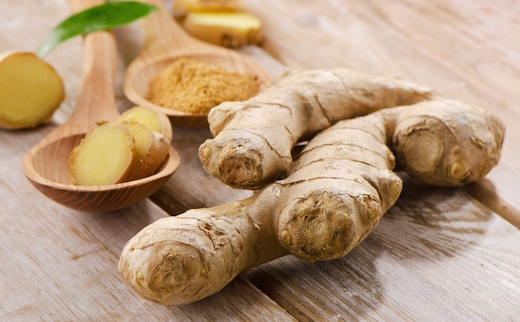 The flavonoids found in ginger root may help prevent cancer and even fight existing cancers. Ginger is also antibacterial, antifungal, an antioxidant, and is thought to reduce heart disease and cholesterol levels. Commonly used alongside lemon in teas, it is well known to help soothe discomfort associated with coughs and colds. Even though I'm mildly allergic to ginger, I can't help but have some in my fresh juices from time to time to reap the incredible benefits.
4. Medjool Dates
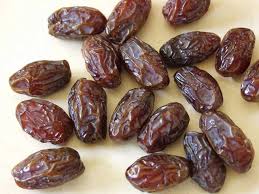 Dates have become such a staple in my house for making everything from raw vegan chocolate mousse to raw vegan carrot cake. Dates are an incredibly rich source of potassium and also contain other nutrients such as magnesium and iron. These are a fantastic natural sweetener if you're like me and prefer not to use refined sugar.
5. Quinoa
 Quinoa is one of my favourite sources of vegan protein, at 10-18%. Not only that, but it is considered a "complete protein," meaning it contains all of the essential amino acids. Quinoa is easy to digest and rich in fibre. It's also gluten free, meaning it makes a great substitute for those who cannot digest gluten-containing products. I often replace rice for quinoa in stir fries and in sushi.
6. Cashews
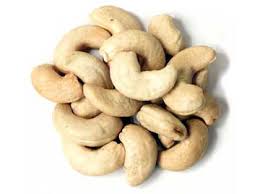 Ah, the humble cashew! They're such an important element of raw vegan desserts that I felt I just had to include them here. Cashews consist of about 45% oil, of which about 40% is monounsaturated oleic acid, and the remainder a combination of omega-6 and saturated oils. The protein content is also quite admirable at 14-20%. Not to mention the minerals they contain including phosphates, copper, iron, zinc, and magnesium. I'll sure keep eating those raw cheesecakes.
7. Buckwheat
 Despite the name, buckwheat is not related to wheat . Buckwheat flour is a fantastic substitute for wheat flour in gluten free baking, and is one of my personal favourites! Buckwheat has a high protein content, is high in B vitamins and vitamin E, high in fibre, contains good amounts of iron, zinc, phosphates, and magnesium, and is balanced in all of the essential amino acids.
8. Capsicum
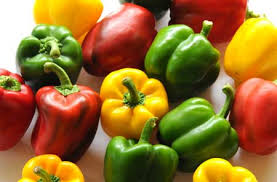 There's always an organic capsicum lurking in the bottom of my fridge, which is just as well considering they're an incredibly potent source of vitamin C and carotenoids! Unfortunately, cooking reduces the vitamin C and antioxidant quantities in capsicums, so eat them fresh wherever you can. My favourite way to enjoy capsicum is in a quinoa sushi roll with some avocado to complement the crunchiness of the fresh capsicum.
1. Avocado
2. Raw Cacao
3. Ginger
4. Medjool Dates
5. Quinoa
6. Cashews
7. Buckwheat
8. Capsicum
Subscribe to:
Posts (Atom)